
Homemade Cashew & Pumpkin Seed Milk — And Why I'll Never Go Back to the Carton
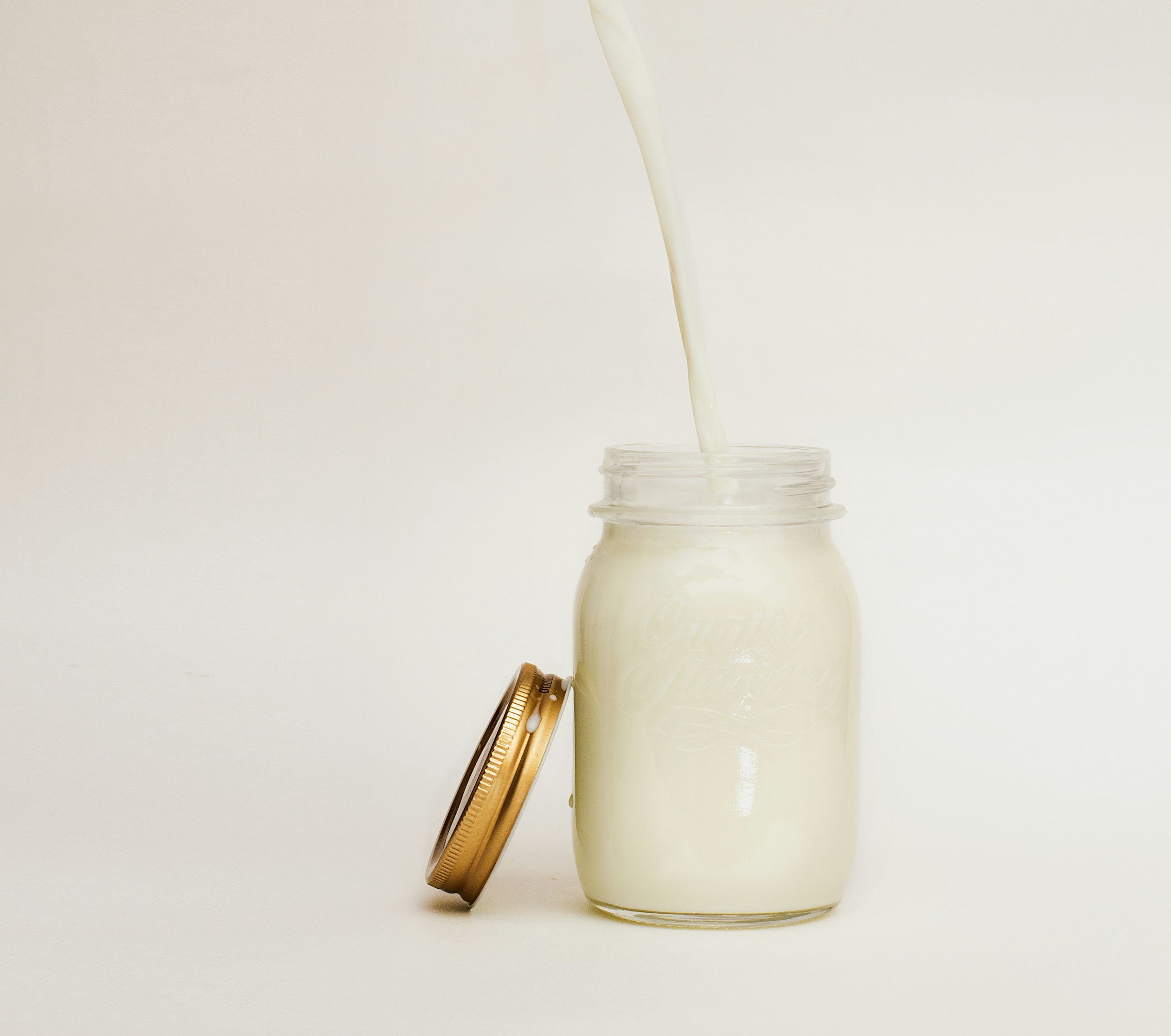
The first time I made plant milk at home, I felt slightly ridiculous. It seemed like the kind of thing that required more effort than it was worth when a perfectly good carton was sitting right there on the grocery store shelf.
Then I read the label.
Carrageenan. Sunflower lecithin. "Natural flavors." Fortified with synthetic vitamins because the processing strips out everything real. What's sold as a health food is often an ultra-processed product wearing wellness clothing. That realization — that the packaging around something matters as much as the ingredient list — is exactly the kind of thing I now help my clients see in their own homes every day.
So I started making my own. And I never went back.
Why Cashews and Pumpkin Seeds
I've made milk from almonds, oats, hemp, and macadamia nuts. They're all good. But my current favorite combination is cashews and pumpkin seeds, and I want to tell you why.
Cashews blend into the creamiest, most neutral base of any nut — no graininess, no bitterness, just smooth richness. They're also high in magnesium, zinc, and copper, minerals that support sleep, immunity, and energy production.
Pumpkin seeds are what make this combination interesting. They bring a subtle earthiness and a nutritional profile that most people don't expect — they're one of the best plant sources of zinc, rich in magnesium, and contain tryptophan, which the body converts to serotonin. This is a milk that genuinely supports your nervous system.
Together they create something balanced, creamy, and slightly complex. Far better than anything in a carton.
That said — use whatever works for you. Almonds, macadamias, sunflower seeds, or straight pumpkin seeds all make beautiful milk. The method is the same regardless.
On the Almond Cow
I use an Almond Cow machine, and I'll be honest: it changed my morning routine. The whole process takes about three minutes, there's minimal cleanup, and the pulp comes out perfectly separated and ready to use. If you make plant milk more than once a week, it's worth the investment.
But you don't need one. A high-speed blender and a piece of cheesecloth or a nut milk bag work beautifully. I've included both methods below.
The Date and the Vanilla
I add one Medjool date and a splash of vanilla to every batch. The date dissolves completely during blending and adds a gentle, natural sweetness without spiking blood sugar the way added sugar does. The vanilla rounds everything out. These two additions are the difference between milk that tastes homemade in a flat way and milk that tastes like something you'd actually crave.
If you want it completely unsweetened — for savory cooking, coffee, or if you're avoiding all sugars — simply leave them out. The milk is still excellent.
Don't Throw Away the Pulp
This is important. The pulp left behind after straining is still rich in fiber, healthy fats, and protein. It goes directly into my Gluten-Free Nut Pulp Muffins — or into overnight oats, energy balls, or frozen flat in a zip bag for later. Nothing gets wasted.
Cucina povera. Everything has a second life.
Recipe
Homemade Cashew & Pumpkin Seed Milk Makes approximately 4 cups | Dairy-free | Gluten-free | Vegan
Ingredients
- ½ cup raw cashews
- ½ cup raw pumpkin seeds
- 2 cups filtered water (for soaking)
- 4 cups filtered water (for blending)
- 1 Medjool date, pitted
- ½ tsp vanilla extract
- 1 pinch sea salt
Step 1 — Soak
Place cashews and pumpkin seeds in a bowl, cover with 2 cups filtered water, and soak for at least 4 hours or overnight in the fridge. The longer the soak, the creamier the milk. Drain and rinse well before using.
Step 2A — Almond Cow Method
Add drained cashews and pumpkin seeds to your Almond Cow basket. Fill the machine to the min/max line with 4 cups filtered water. Drop the date, vanilla, and salt directly into the water. Run through one full cycle. For richer milk, run a second cycle.
Step 2B — Blender + Cheesecloth Method
Add drained cashews and pumpkin seeds to a high-speed blender with 4 cups filtered water, the date, vanilla, and salt. Blend on high for 60–90 seconds until completely smooth. Place a nut milk bag or two layers of cheesecloth over a large bowl or pitcher. Pour the blended mixture through slowly, then gather the edges and squeeze firmly until all liquid is extracted. Reserve the pulp.
Step 3 — Store
Pour finished milk into a sealed glass jar or bottle. Refrigerate immediately. Shake well before each use — natural separation will occur and that's exactly how it should be.
A Few Things to Keep in Mind
- No time to soak? Cashews can go 1 hour in hot water in a pinch. Pumpkin seeds are forgiving without soaking, though texture will be slightly grainier.
- Skip the sweetener if using for savory cooking or coffee drinks.
- Shelf life: 4–5 days refrigerated. Fresh milk has a clean, neutral scent — trust your nose.
- Nut-free? Pumpkin seeds alone make a beautifully earthy, mineral-rich milk.
- Don't discard the pulp. Use it in the Nut Pulp Muffin recipe, stir into oatmeal, or freeze for later.
Danielle D'Ambrosio is the founder of Sereno Wellness, helping clients create healthier homes through environmental health consulting, lifestyle medicine, and the belief that where you live shapes how you feel.