
The Anti-Botox Mask — And the Best Hair Treatment I've Ever Used
Two Ingredients. Five Minutes. I Threw Out Half My Bathroom Cabinet.
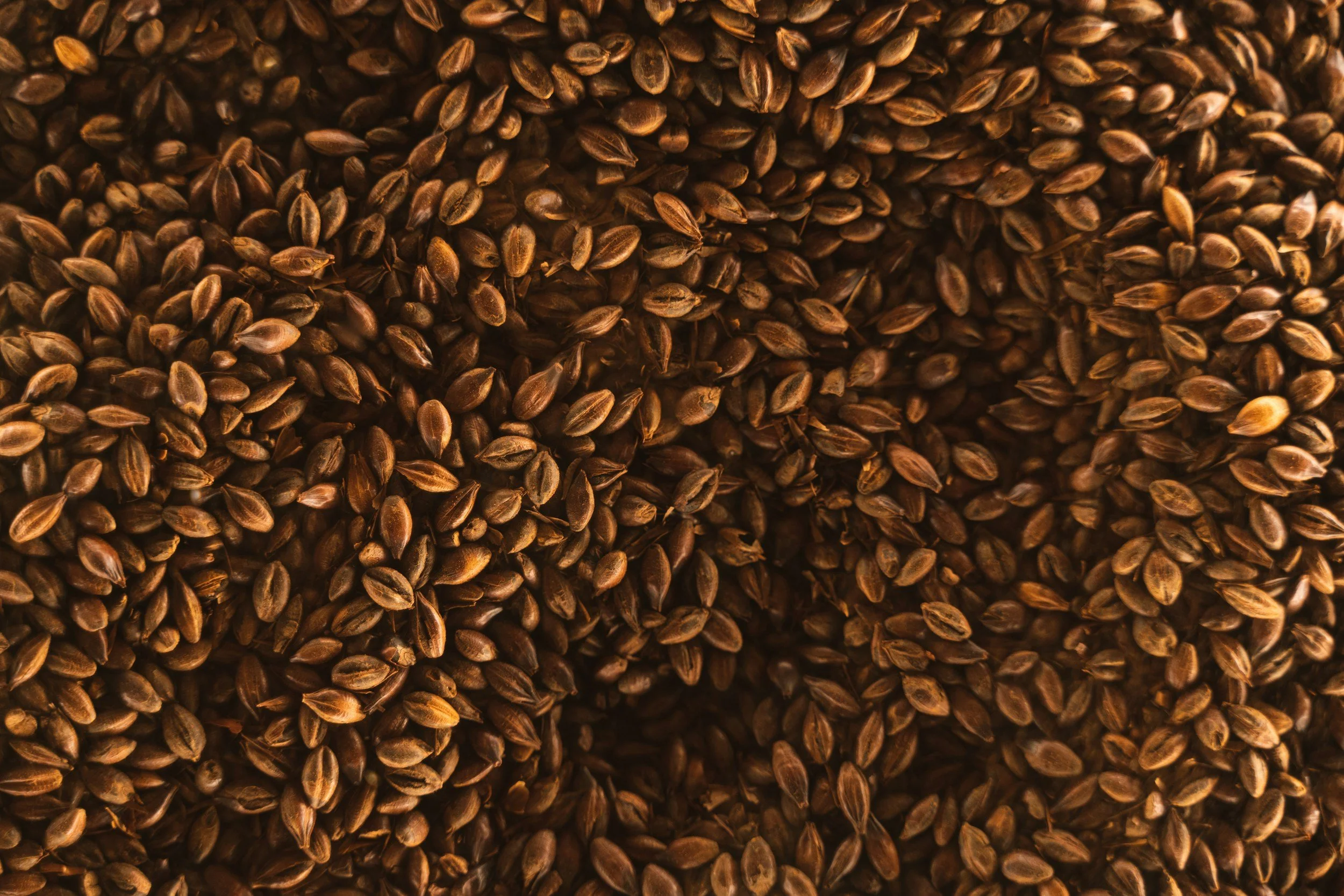
I want to tell you about the jar sitting on my bathroom shelf right now. It has two ingredients in it — flaxseeds and filtered water. I use it on my hair, my face, and occasionally both in the same evening. I've spent hundreds of dollars on serums, masks, and treatments over the years. None of them have come close.
This is flaxseed gel. And once you make it once, you'll understand why it's earned one very specific nickname in natural beauty circles: the anti-botox mask.
What's Actually Happening When You Apply It
Flaxseeds, when simmered in water, release a naturally occurring substance called mucilage — a polysaccharide gel the plant produces to retain moisture. It's the same reason flaxseeds are so effective for gut health. On skin and hair, that same mechanism does something extraordinary.
The gel forms a breathable, flexible film that locks in moisture without clogging pores or coating the hair shaft with silicone. It's naturally rich in omega-3 fatty acids that calm inflammation at the cellular level. It contains lignans — plant compounds with antioxidant properties that support skin cell health over time. And it has a natural viscosity and slip that rivals products costing fifty times as much.
This is chemistry, not folklore. Your skin and hair respond to it because it's genuinely compatible with both — something synthetic polymers, no matter how elegantly packaged, can never fully replicate.
Why I Call It the Anti-Botox Mask
The first time I applied flaxgel to my face and let it dry, I understood the name immediately. As the gel tightens on the skin, it creates a lifting, firming sensation unlike any mask I've tried. After rinsing, my skin looked visibly smoother — not artificially plumped, but genuinely more toned. As if the skin had been gently reminded of its own elasticity.
Used consistently two to three times a week, the omega-3s and lignans work beneath the surface — supporting collagen production and reducing the appearance of fine lines over time. Not instant filler. Slow, real, cumulative improvement. The kind your skin actually earns.
What It Does for Hair
The first time I used flaxgel as a hair mask I couldn't believe the shine. Not the artificial gloss you get from silicone-based products that coat the shaft and build up over time. The real kind — the kind that means your hair is deeply hydrated and the cuticle is lying flat.
I apply it to damp hair from mid-shaft to ends, work a little into my scalp, wrap my hair in a warm towel, and leave it for thirty minutes. When I rinse and style, my hair is smoother, softer, more defined, and noticeably more manageable. Frizz that normally requires three products to tame disappears almost entirely. The moisture lasts for days.
For anyone with curly, coarse, color-treated, or chronically dry hair — this is the treatment you've been overpaying for.
What's in Your Current Products
Take a moment the next time you reach for a hair mask or anti-aging serum and read what's actually in it. You'll likely find dimethicone — a silicone that creates the illusion of smooth hair while gradually blocking moisture absorption. Carbomer — a synthetic petroleum-derived thickener. Phenoxyethanol — a preservative linked to skin irritation and endocrine disruption. And fragrance, a legally protected term that can conceal dozens of undisclosed chemicals, some of which are known allergens and hormone disruptors.
Your skin and scalp absorb what you put on them. That's the entire point of a mask — prolonged contact, maximum penetration. What goes on you goes in you.
This mask has two ingredients. You can pronounce both of them. You probably already have one in your pantry right now. That simplicity is not a compromise. It is the point.
Recipe
Flaxseed Gel — Hair & Face Mask Makes 2–3 hair applications or 3–4 face applications | All hair and skin types | Vegan
Ingredients
- 3 tbsp whole flaxseeds
- 1 cup filtered water
Step 1 — Simmer
Add flaxseeds and water to a small saucepan over medium heat. Stir occasionally and bring to a gentle simmer. Within 5–8 minutes the mixture will thicken into a gel around the seeds — you're looking for a consistency similar to egg whites, thick enough to coat a spoon.
Step 2 — Strain Immediately
Remove from heat and pour immediately through a fine mesh strainer or cheesecloth into a clean glass jar. Work fast — the gel sets quickly as it cools. Squeeze out every last drop. Set the seeds aside for cooking.
Step 3 — Cool
Allow the gel to cool to room temperature before applying to hair or skin.
For Hair
On clean damp hair, apply gel from mid-shaft to ends. For scalp health and deep moisture, work a small amount into the scalp as well. Leave on for 20–30 minutes — or up to an hour wrapped in a warm towel for deeper penetration. Rinse thoroughly with cool water and style as usual.
For Face
On clean dry skin, apply a thin even layer using clean fingers or a mask brush. Avoid the eye area. Leave on for 15–20 minutes until the gel tightens and dries slightly. Rinse with warm water, pat dry, and follow with your moisturizer.
A Few Things to Keep in Mind
- Storage: Refrigerate in a sealed glass jar for up to 7 days. The gel firms up when cold — stir before each use.
- Hair types: Works on all hair types. Particularly transformative on curly, frizzy, coarse, or color-treated hair. Fine hair — use sparingly and rinse thoroughly.
- Skin types: Suitable for all skin types. Especially effective for dry, mature, or expression-line-prone skin.
- The seeds: Never discard them. Add to oatmeal, smoothies, or baked goods. Nothing wasted.
Danielle D'Ambrosio is the founder of Sereno Wellness, helping clients identify and eliminate toxins in their homes and daily routines through environmental health consulting, lifestyle medicine, and the belief that the simplest choices are often the most powerful ones.