
You Don't Need an Hour at the Gym.You Need to Stop Sitting Still.
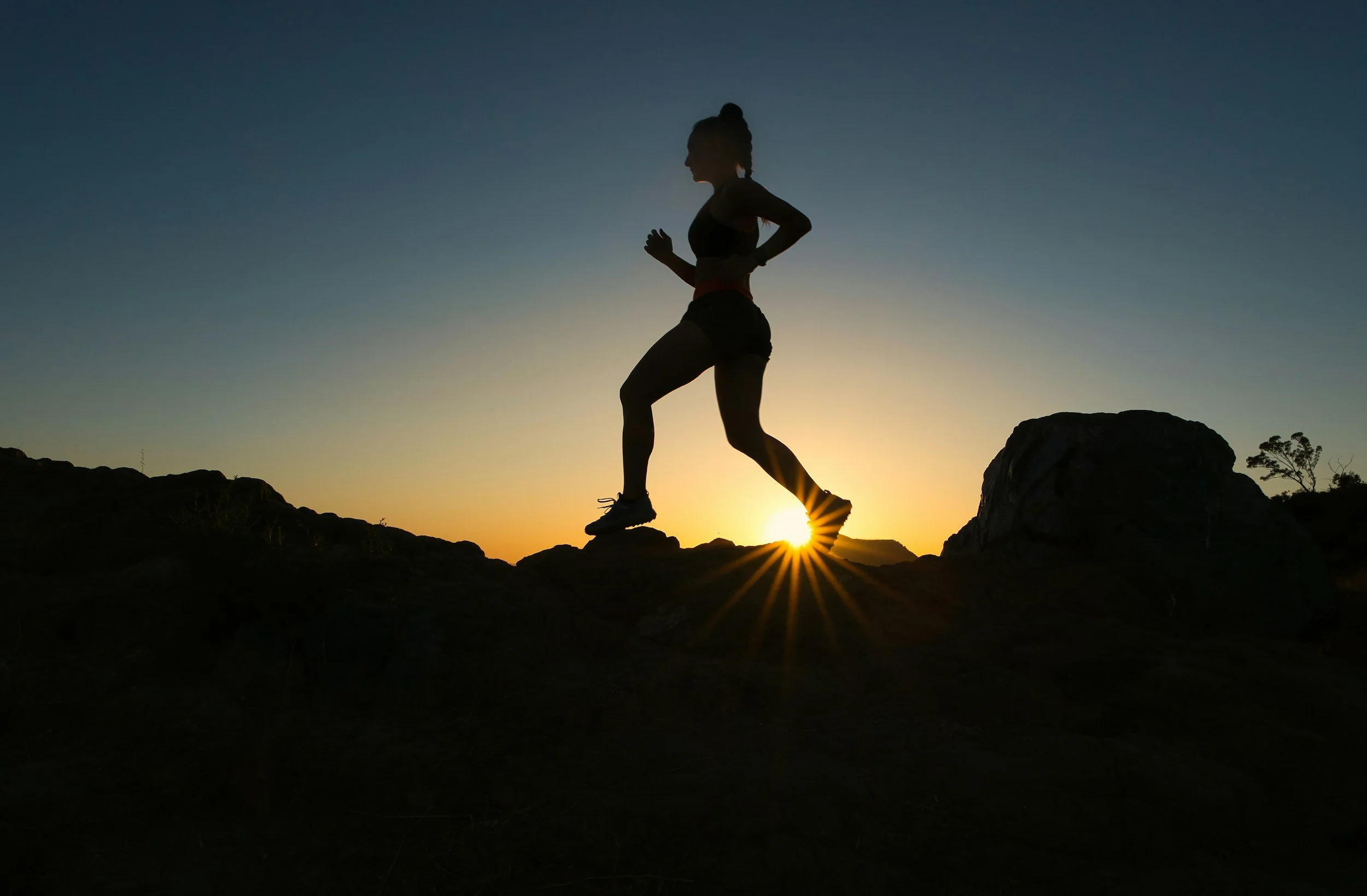
New research confirms that short bursts of movement woven throughout your day may be more powerful than one long workout — and why the Italian approach to living has understood this all along.
Most of us were taught the same story about exercise: carve out an hour, get to the gym, and do the work. Everything else — a quick walk to the kitchen, stretching between calls, bouncing while you think — doesn't count.
The research tells a different story. And if you're someone who struggles to find that elusive hour, or who had to rethink movement entirely after joint issues made high-impact exercise painful, this science will change how you think about your body and your day.
The Problem With the "One Big Workout" Model
Prolonged sitting isn't a neutral state — it's actively damaging. Research shows that endothelial function (the health of the cells lining your blood vessels) deteriorates measurably during uninterrupted sitting, even in people who exercise regularly. One good workout in the morning doesn't undo six hours of stillness at a desk.
The hidden assumption in our fitness culture is that the hour at the gym is the most important movement decision of the day. The science suggests otherwise.
"People think they have to go to the gym and kill themselves every day to get a health benefit. They think you need to 'go big or go home' — but the research shows that 60 seconds of vigorous movement still counts."
— Dr. Marily Oppezzo, Stanford Lifestyle Medicine
What the Research Actually Shows
Scientists now use the term "exercise snacks" for what I'd simply call micro-movements: short bursts of activity, 30 seconds to 5 minutes, woven throughout the day. The evidence behind them is compelling.
A 2025 systematic review confirmed consistent improvements in metabolic regulation, vascular function, cardiorespiratory fitness, and physical function across adult and older populations — all from brief, intermittent movement distributed through the day.
There's also a striking cancer finding: participants who had three-to-four minute incidental bursts of physical activity throughout their day had a 31% reduced risk of physical-activity-related cancers, especially among adults who didn't otherwise exercise regularly.
Why Distributed Movement Beats One Session for Stress
Here's something that surprised even seasoned researchers: spreading movement across your day may be more stress-reducing than a single long workout.
"Becoming breathless with three or four exercise snacks throughout the day can sometimes be more stress-reducing than doing one longer workout and sitting the rest of the day. After raising your heart rate, your body has to kick into 'calm down' mode — and exercise snacks give your body an opportunity to calm down multiple times throughout the day."
— Dr. Marily Oppezzo, Stanford
Every time you raise your heart rate and recover, you train your nervous system's ability to return to calm. Do that once, and you get one recovery cycle. Weave micro-movements throughout your day, and you get five or six — each one reinforcing your body's capacity for regulation. For anyone navigating chronic stress, this reframe matters.
The Lymphatic System Needs You to Move All Day
Unlike the cardiovascular system, the lymphatic system has no pump. It depends entirely on movement to circulate lymphatic fluid and clear cellular waste. A single workout generates lymphatic flow during that hour — and then you sit for six hours while lymph stagnates and immune surveillance slows.
Distributed movement keeps the lymphatic system cycling all day. This is why rebounding (mini-trampoline) is particularly effective: the vertical acceleration mimics the compression-release pattern lymph vessels need. Research shows vigorous rebounding can increase lymph flow by 15–30 times, and even two minutes of bouncing flushes the entire lymphatic system. But any movement counts — the key is frequency, not duration.
Blood Sugar Responds to When You Move, Not Just How Much
Every time you eat, blood sugar rises. Your muscles are the primary site for clearing that glucose — but only when active. Post-meal movement, even light movement, activates GLUT4 transporters in muscle tissue that pull glucose out of the bloodstream. Studies show a short walk after eating can reduce blood sugar spikes by 20–30%.
A 10-minute walk after dinner does something a 10-minute walk at 6am cannot. Timing matters as much as duration.
What This Looks Like in Practice
You don't need a plan overhaul — you need a few anchor habits and a different mental model. A few things that work for my clients and for me:
Rebounder breaks: 2–10 minutes between calls or tasks. Especially effective for lymphatic flow and the afternoon energy dip. A foldable rebounder fits under a bed or in a home office.
Post-meal walks: Even 5–10 minutes after eating. Your glucose response will thank you.
Hourly reset: Set a gentle reminder. Stand, stretch your hip flexors, roll your shoulders. 60 seconds is enough to interrupt the physiological effects of prolonged sitting.
Stair climbing: Three 15–30 second bouts per day was shown in research to meaningfully boost cardiovascular health in inactive adults.
Walking meetings: If a call doesn't require a screen, take it on foot.
The Italian Template
I grew up watching this in Italy without anyone calling it a health strategy. In Bolgheri, in Florence, in the villages where my family has lived for generations — people don't exercise as a separate category of life. They walk to the market, climb stairs without thinking, pause to stand when they've been sitting, gesture expansively when they talk.
The research now has language for what the Mediterranean lifestyle has always embodied: non-exercise activity thermogenesis, and distributed low-to-moderate movement across the waking day. The body was not designed to be still for hours and then intense for one. It was designed to move — consistently, variably, often.
The Takeaway
The hour at the gym is not the most important movement decision you make each day. The question of whether you move — at all, even briefly, even gently — every hour is.
Your lymphatic system needs it. Your blood sugar benefits from it. Your nervous system is trained by it. Your vascular health depends on it.
Move small. Move often. Let your environment support that — and notice how differently your body responds.
Danielle D'Ambrosio is the founder of Sereno Wellness, a certified Mindfulness-Based Stress Reduction practitioner, and has completed Harvard Medical School training in lifestyle medicine and functional nutrition. Her work bridges the health of your home environment and your body.