
Here's How to Stop Consuming Microplastics (And Why You Should Care)
Imagine a little cloud following you everywhere you go.
Not a rain cloud. Not a thought bubble. A cloud of microplastics.
Floating around you as you walk across your carpet. Fluff your bed. Drifting up when you sit on your couch. Settling onto your food when you open a bag of chips.
You’re breathing it in. Swallowing it. It’s in your bloodstream right now.
In your brain. Your organs. Your breast milk if you’re nursing. Your semen if you’re a man.
We’ve found microplastics in human placentas, in newborn babies, in the deepest parts of the ocean, and at the top of Mount Everest.
Researchers are just beginning to understand what these plastics are doing inside us—and it’s not good. One Italian study found that people with microplastics in their cardiovascular tissue had a 4.5 times higher risk of heart attack, stroke, or death. Microplastics carry toxic chemicals like BPA and phthalates, act as endocrine disruptors, and cause inflammation throughout the body.
Studies have estimated we may consume up to 5 grams of plastic per week—about the weight of a credit card. That’s 250 grams per year. Half a pound of plastic.
Let that sink in.
While you can’t avoid microplastics completely, you can dramatically reduce your exposure. And that matters.
How to dramatically reduce your exposure to microplastics
The most important things to watch are the things you do, consume, etc every day.
Stop heating food in plastic. Use glass or ceramic. Heat accelerates the release of microplastics and causes chemicals to leach directly into your food. If you’re reheating in the microwave, reach for glass or ceramic—never plastic. Better yet: try this brilliant method to reheat food in a pan.
Avoid packaged food that calls for microwaving or boiling in the bag. “NOW BPA FREE!” is marketing theater—the plastic likely contains a different bisphenol that’s just as problematic, and it doesn’t address microplastics at all.
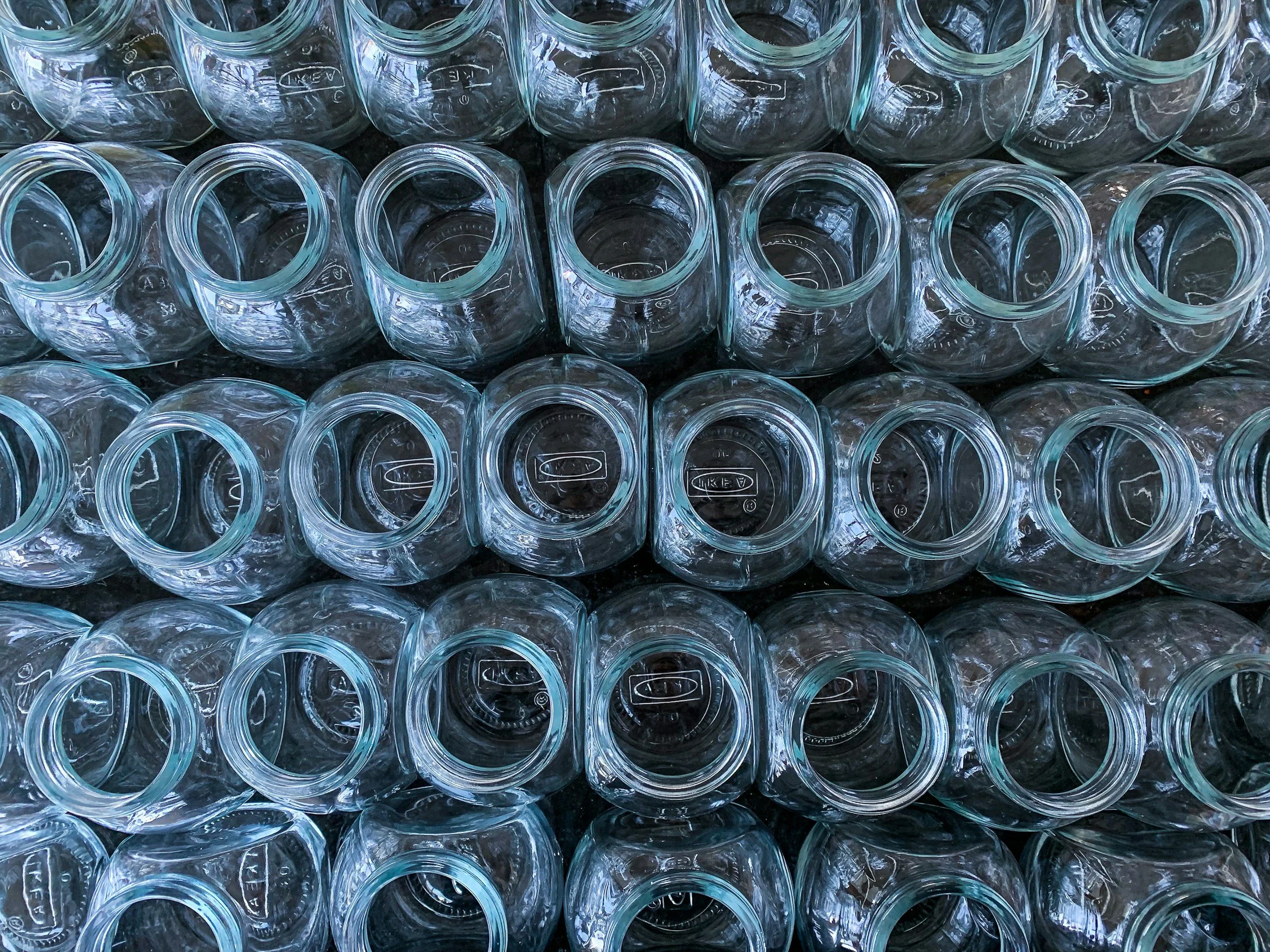
Store food in glass, ceramic, or stainless steel containers. Start saving glass jars and reusing them—it’s free and they work perfectly. My favorites: this Pyrex set, Ball or Bormioli Rocco Quattro Stagioni jars, and stainless steel bento boxes. When groceries arrive,,transfer food from plastic packaging into glass right away. Less time in plastic = less exposure. And those single-use plastic containers? Don’t reuse them for food—they shed more microplastics over time. Repurpose them for organizing non-food items around the house instead.
Swap the plastic cutting board for wood or glass. Every time your knife slices into plastic, the blade releases tiny bits of plastic directly into your food. It's not subtle—it's happening with every chop. Choose wood instead.
Ditch plastic wrap. Skip the cling wrap entirely. Use reusable silicone bowl covers for fridge storage and beeswax wraps for everything else.
Choose unpackaged or minimally packaged food when possible. Every plastic package sheds particles into what’s inside. Shop the perimeter of the grocery store where fresh produce, meat, and dairy live. Hit the farmers market. Buy in bulk when you can. The less plastic between the farm and your plate, the better.
Cook at home with organic produce and whole foods whenever possible. Ultra-processing exposes food to plastic at every step—conveyor belts, PVC gloves, packaging machinery. When you eat less processed food, you reduce microplastic exposure while improving your health, saving money, and rediscovering the simple pleasure of feeding yourself well. Start small: Pick one of your favorite meals and Google how to make it at home. As my mom always says, “If you can read, you can cook.”
Ditch plastic water bottles. They contain up to 240,000 pieces of micro- and nano-plastics per liter. I switched toreusable glass bottles and keep them everywhere—by my bed, in the fridge for guests, and in my yoga bag.
Filter your water. Your water may be “legal”, but that doesn't mean it's safe. Check your water quality here, then install a countertop or under-the-sink reverse osmosis system. It’s one of the best investments you’ll make in your immediate and longterm health.
Order your tea or coffee in real mugs at cafés—or bring a stainless steel to-go cup. That waterproof liner in disposable cups? It’s plastic. And when hot liquid hits it, microplastics leach directly into your drink.
Sit down for five minutes. Or carry your own cup. Either way, skip the takeaway cup.
Boil water in a metal kettle and make coffee in a metal or glass percolator. I use a glass percolator and stainless steel kettle for coffee and tea. Add compostable, biodegradable coffee filters to keep plastic out of the process. For espresso? My forever favorite is the Moka pot. No plastic, and the coffee is better.
Swap tea bags for loose leaf tea. Most tea bags contain plastic and release microplastic particles into your cup when steeped in hot water. Use a stainless steel tea infuser or strainer instead. For tea on the go: I keep organic, biodegradable tea sachets in my purse.
Choose larger fish like haddock or trout when eating seafood. I buy fresh-caught haddock from my local fish market because larger fish from deeper waters contain fewer microplastics per gram than smaller fish. We also eat only the fillet, while sardines, anchovies, and herring are eaten whole. Avoid filter feeders like mussels, oysters, and clams, which can contain the highest levels of microplastics.
Vacuum, mop, and dust often. Those particles floating in the air? They’re not just dust—they’re microplastics. Use a wet organic cotton cloth to trap them instead of sending them airborne. Crack the windows for 15-20 minutes while you clean. You’ll breathe in fewer microplastics, and your home will actually feel clean.
Use a HEPA air purifier. Microplastics are floating in your indoor air. Filter them out.
Open your windows—even just 10 minutes in the morning. Indoor air can be 2-5x more polluted than outdoor air. Get fresh air circulating, especially in winter when you’re spending most of your time inside.
Choose clothing made from natural fiber. Synthetic fabrics like polyester, fleece, and nylon shed microplastics every time you wear and wash them. Opt for cotton, linen, wool, cashmere, or silk—preferably organic. You’ll breathe in fewer microplastics throughout the day and reduce pollution every time you do laundry.
Wash synthetic clothing less—and use a microplastic filter when you do. Laundry is the #1 source of microplastic ocean pollution, accounting for 35% of all microplastics in our waters. Every time you wash polyester, fleece, or nylon, thousands of plastic fibers break free and flow straight down the drain. Use a Guppyfriend washing bag or Cora Ball to catch microplastics before they reach waterways.
Choose natural bedding. Organic cotton and linen. Not polyester. Look for GOTS-certified options. You're breathing in microplastics and absorbing them through your skin for 7-9 hours every night.
Opt for natural home textiles over synthetic materials. Carpets, rugs, curtains, throw pillows, and upholstered furniture made from polyester or nylon shed microplastics into your air every time you walk across them or sit down. Choose cotton, linen, untreated jute, mudcloth, or wool instead. For furniture, go for 100% genuine leather or natural fabric upholstery—skip anything stain-resistant or chemically treated.
Replace plastic baby bottles, sippy cups, and toys with safer alternatives. Children are especially vulnerable to microplastic exposure. When you heat formula or breast milk in plastic bottles, microplastics leach directly into what your baby drinks. Choose glass or stainless steel bottles instead. For toys, go for wood, organic cotton, wool, or natural rubber—especially for anything that goes in their mouth. Swap plastic teething toys for silicone or natural rubber.

Is this overwhelming? Yes.
Can you do all of this tomorrow? No.
But you can do one thing this week. And one more next week.
Because every swap you make reduces your body’s burden.
Your body will thank you.
Want to dive deeper?