
Your Water is "Legal"—But Is It Safe? What I Learned From One Blind Taste Test
How tap water standards, bottled water myths, and one reverse osmosis system changed everything I thought I knew about drinking water safety.
There was a moment in my kitchen that changed everything.
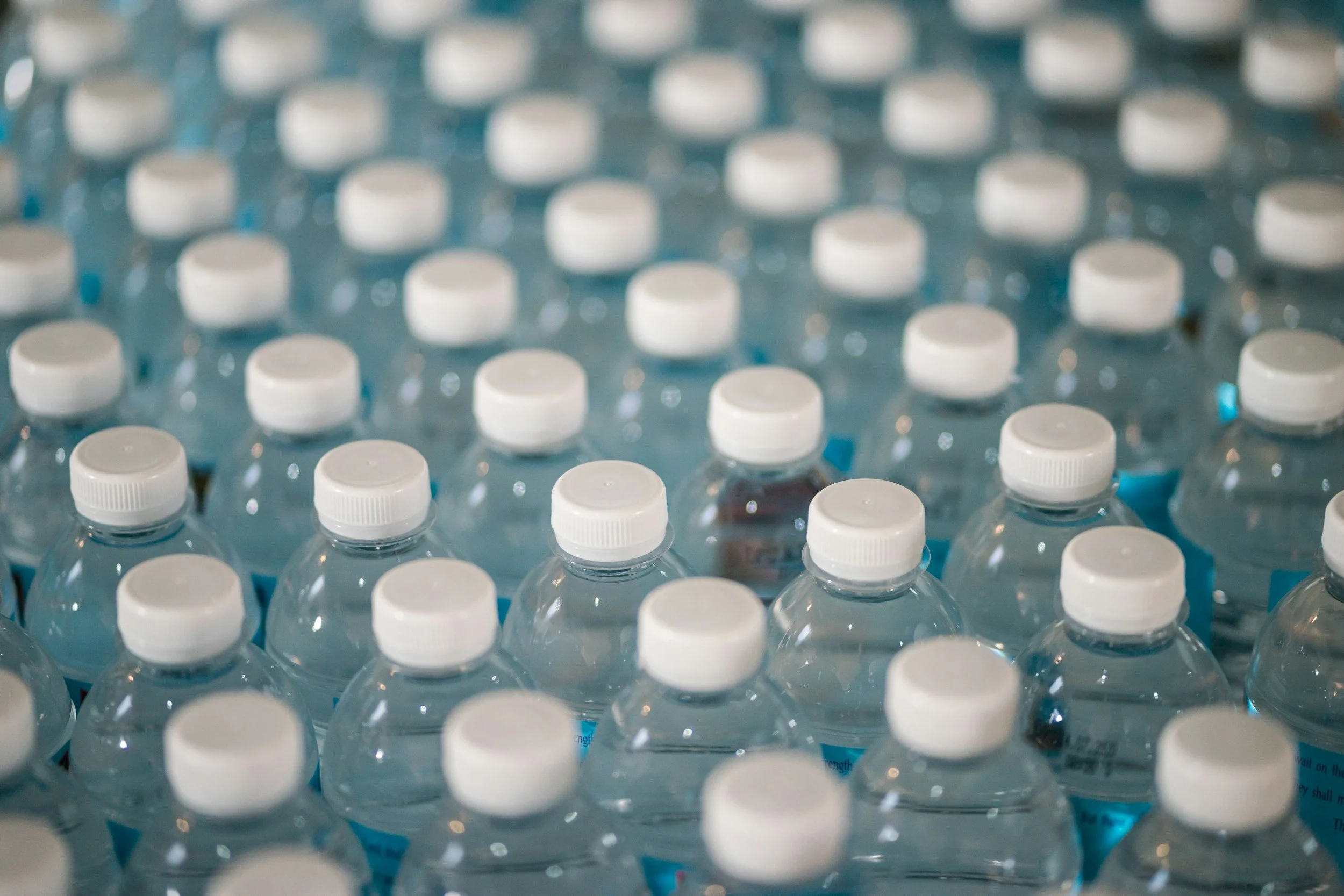
I'd just installed a reverse osmosis filtration system—something I'd been putting off for years because I thought I had the water situation handled. After all, I wasn't drinking tap water. I was buying those large "BPA-free" spring water jugs, the ones with mountain scenes on the label, the ones that promised purity and natural mineral content.
On a whim, I decided to do a blind taste test. One glass filled with water from my new RO system. Another filled with my usual bottled spring water. I closed my eyes, shuffled them around, and took a sip from each.
The spring water tasted like plastic.
Not subtly. Not a slight aftertaste I was imagining. It tasted distinctly, unmistakably like plastic.
This was my wake-up call. But to understand why it shook me so deeply, I need to tell you about what law school taught me—and what I'd been failing to apply to my own life.
The Skepticism I Forgot to Use
In law school, they train you to be skeptical of everything. Question the source. Read the fine print. Understand who benefits from the rules as written. Ask yourself: who decided what's "acceptable," and when did they decide it?
I'd been applying this thinking to contracts, to business deals, to property transactions for nearly two decades. But somehow, I'd completely failed to apply it to what I was putting into my body every single day.
The water I was drinking was "legal." It met all EPA standards. The plastic jugs were "BPA-free." The labels showed pristine natural springs and made promises about purity.
But was it actually safe?
What "Legal" Actually Means for Your Tap Water
If you haven't checked what's in your tap water lately, I encourage you to look it up on EWG's Tap Water Database. Just type in your ZIP code. What you'll see might surprise you.
The EPA's drinking water standards—the legal limits that determine what's "safe"—were largely established in the 1970s and 80s. We're operating under contamination guidelines that are older than the internet. Older than cell phones. Set at a time when we had no idea what microplastics were, when PFAS wasn't on anyone's radar, when the long-term effects of low-level chemical exposure weren't understood.
Common Water Contaminants That Are Still "Legal"
Since the EPA drinking water standards were established, we've discovered thousands of new contaminants that aren't even regulated:
PFAS (forever chemicals) – Linked to cancer, immune system suppression, and thyroid disease
Microplastics in drinking water – Now being found in human blood, organs, and brain tissue
Pharmaceutical residues – Including hormones, antidepressants, and antibiotics
Chromium-6 – Yes, the carcinogenic chemical from the Erin Brockovich case
Chlorination byproducts – Formed when chlorine disinfection interacts with organic matter in water
Your tap water can contain concerning levels of all of these and still be perfectly "legal."
Legal doesn't mean safe. It means "we haven't updated the drinking water rules in 40 years."
The Bottled Water Illusion: Why Spring Water Isn't the Answer
Back to that plastic taste in my mouth.
Those spring water jugs I'd been buying—the "BPA-free" ones with the mountain scenes—had been sitting in warehouses, in delivery trucks, on store shelves. Sometimes in the sun. Sometimes in the heat. The plastic slowly breaking down, releasing particles into the water inside.
The Microplastics in Bottled Water Problem
Recent studies on bottled water contamination have found that a single liter of bottled water can contain hundreds of thousands of microplastic and nanoplastic particles. These particles leach chemicals into the water. We then drink them, and they enter our bloodstream, accumulate in our tissues, and cross the blood-brain barrier.
And that pristine label? At the bottom, in letters so small you'd need a magnifying glass: "scene for illustrative purposes only."
What's Really in Your Bottled Spring Water
We don't even know where most bottled water actually comes from. Recent investigations and testing have revealed:
Major spring water brands containing PFAS and arsenic
"Spring water" that's actually filtered municipal tap water
Fluoride levels higher than tap water
No requirement to disclose the actual water source
We're paying $1-3 per bottle for water that might come from the same municipal source as our tap—except now it's been sitting in plastic for weeks or months, accumulating contaminants.
The bottled water industry is built on marketing. On images of mountains and streams. On our fear of tap water and our trust that "natural" means "safe."
But everything is marketing. And most things are greenwashed.
The Moment I Couldn't Ignore
That plastic taste in the blind taste test scared me.
It scared me because I'd been drinking that water for years. Giving it to friends when they visited. Cooking with it. Making coffee with it. Thinking I was making the healthier choice.
It scared me because I didn't know what I didn't know.
I'd been so focused on the BPA-free label, on the "natural spring water" promise, that I'd never questioned what was really happening to water sitting in plastic containers. I'd never thought about how those jugs are stored, transported, and sold. I'd never considered that "BPA-free" just means they replaced one problematic plastic compound with other compounds we're only beginning to understand.
I'm someone with Harvard Medical School training in functional nutrition. Someone who studies the impact of environmental toxins on health. Someone who should have known better.
But I didn't. Because I'd never actually tasted the difference. I'd never done the research. I'd accepted the marketing at face value.
What I Do Now: Why Reverse Osmosis Water Filtration Works
The reverse osmosis filtration system in my kitchen removes:
95-99% of total dissolved solids (TDS)
Chlorine and chloramine from water treatment
Lead, mercury, and other heavy metals
PFAS and most chemical contaminants
Microplastics from water
Bacteria and viruses
The water tastes clean. Pure. Like nothing. Like water should taste.
I store it in glass bottles. I filter the water I cook with, not just what I drink. My home no longer contributes hundreds of plastic jugs to landfills every year. And most importantly, I know exactly what's in my water—because I control it.
Is RO the Only Safe Water Option?
Is reverse osmosis the only option? No. Depending on what contaminants are in your tap water, different water filtration systems might make sense. But the key is: you need to know what you're filtering for. You need to test your water. You need to stop trusting that "legal" means "safe."
What You Can Do Right Now to Improve Your Water Quality
1. Check Your Tap Water Quality
Check your tap water using EWG's database. See what's actually in it. Compare the levels to EWG's health guidelines, not just legal limits.
2. Stop Buying Bottled Water in Plastic
Stop buying bottled water in plastic. If you must buy bottled water, choose glass. Better yet, invest in home water filtration.
3. Question the Marketing
Question the water industry marketing. Those pristine nature scenes? They're not real. "Natural spring water" doesn't mean safe. "BPA-free plastic" doesn't mean non-toxic.
4. Invest in Home Water Filtration
Invest in water filtration. Whether it's reverse osmosis, activated carbon filters, or a whole-house water filtration system depends on your specific water quality and needs. But doing something is better than assuming your water is fine.
5. Use Glass for Water Storage
Use glass bottles and containers. For storage, for drinking, for everything. The plastic you're trying to avoid in your water is also in the bottles you're drinking from.
Where You Live Impacts How Well You Live
This is exactly why I do what I do. This is why I combined nearly 20 years of real estate experience with Harvard Medical School training to create a wellness consulting practice focused on your home environment.
Because your home should be your sanctuary, not your source of toxic exposure.
Because the water you drink, the air you breathe, the surfaces you touch—all of it matters to your health.
Because "legal" isn't good enough when it comes to your wellbeing.
I didn't know what I didn't know about my water. But one blind taste test changed everything.
What don't you know about yours?
Ready to discover what's actually in your home environment? Book a consultation to get a comprehensive assessment and actionable plan for creating a truly healthy home free from hidden toxins.
Related Reading:
How to Test Your Home's Water Quality
The Complete Guide to Home Water Filtration Systems
PFAS Forever Chemicals: What You Need to Know
Microplastics in Your Home: Sources and Solutions